
Telecom Tower Backup Power: Unattended Sites, Remote Monitoring and Fuel Logistics
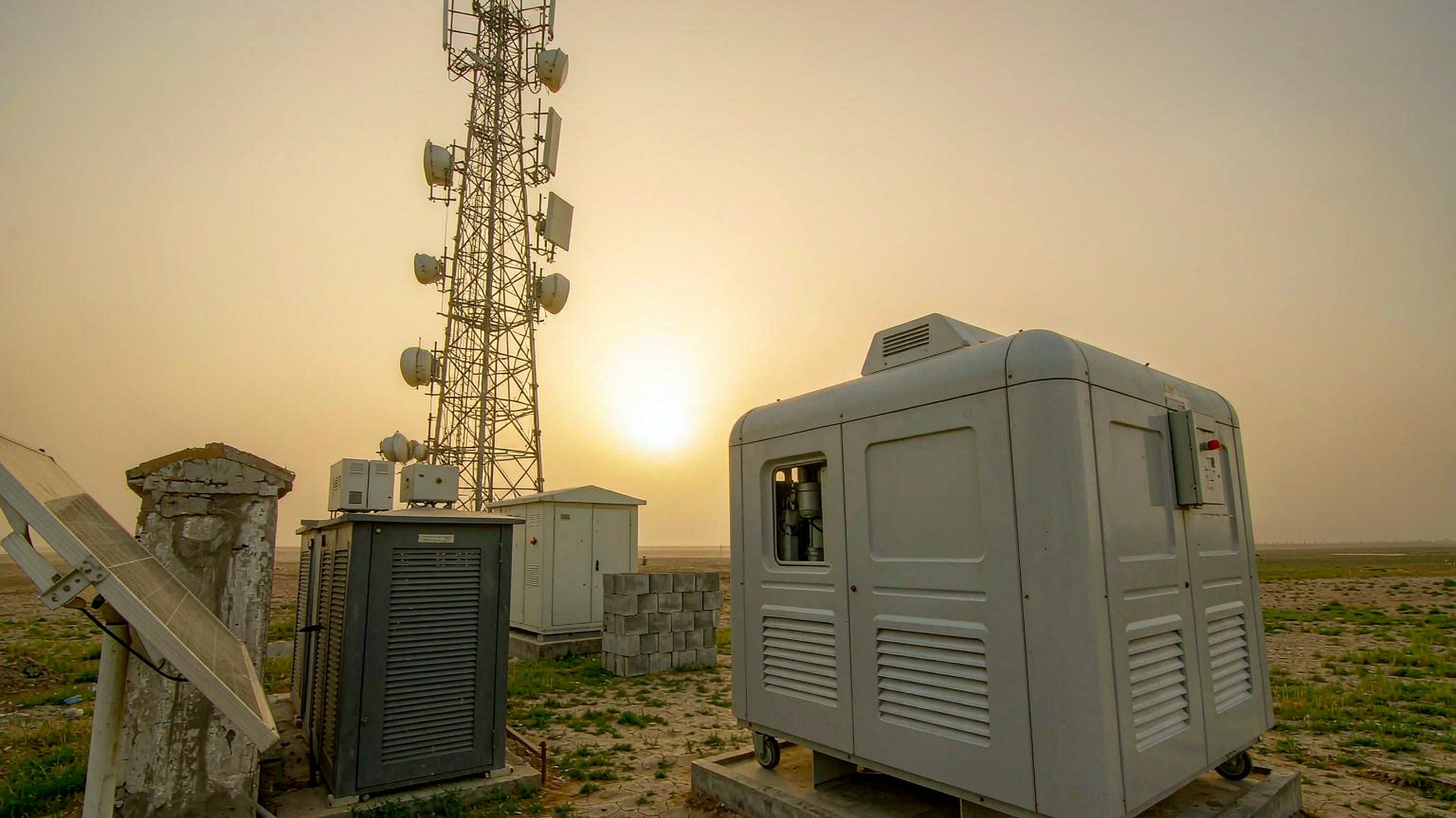
How to power an unattended telecom or tower site: size for the load plus the starting surge, add remote monitoring and a fuel plan that survives a missed delivery, and decide where a solar-hybrid helps.
A telecom or tower site is usually unattended, so the set must run, report and refuel without a person on site. Size for the shelter load plus the rectifier and cooling surge, add remote monitoring and a fuel plan that survives a missed delivery, and weigh a solar-hybrid where the grid is far away. Start from the diesel range and keep the set in the lower bands where most single sites sit.
Four constraints an unattended site puts on a set
Out of sight cannot mean out of mind. The constraints are about keeping a remote set alive between the rare visits that actually happen.
- No one on site. The set must start on loss of grid, report its own status and keep running through the night with no operator. Manual intervention is a failure mode, not a plan.
- Fuel logistics. A missed fuel delivery is an outage. The base tank must cover the real gap between visits, and you need to know the level before it runs low, not after.
- Heat and dust. Enclosure and filtration must suit an open, often hot site, because a clogged intake or an overheated set fails quietly until the link drops.
- Security and hybrid. Remote sites invite tampering and theft, and many sit where a solar or battery hybrid cuts both fuel cost and the number of visits.
Sizing step by step
A single shelter load is small, but the rectifier and cooling surge plus the run time decide the set. Work the load, then the fuel, then the monitoring.
- 1List the shelter load. Baseband, rectifiers, transmission, site lighting and the cooling load in running kW.
- 2Add the surge. Rectifier inrush and the air-conditioning compressor start set the alternator and AVR size, even though the steady load is modest.
- 3Apply the site. High-altitude or hot sites cut output as everywhere else; apply the same planning factors and keep margin for the cooling start on top of the derate.
- 4Size the fuel, not just the kW. The base tank should cover the gap between fuel deliveries with margin, because a missed visit is the usual cause of an outage.
- 5Add monitoring and a hybrid path. Remote fuel, runtime and fault alarms let a control room act before the link drops; a solar or battery hybrid can shrink both the tank and the visit count.
Site type and the band it needs
Most single towers and shelters sit in the lower bands. A cluster site or a data edge node needs more, and a paralleled or hybrid plant covers a growing load.
| Site type | Typical band | What drives it |
|---|---|---|
| Single tower or shelter | 0 - 100 kW | Rectifier, transmission, cooling surge |
| Cluster of sites or BTS hotel | 100 - 200 kW | Several shelters on one plant |
| Edge data or mini-CORE | 200 - 350 kW | Higher steady load and cooling |
| Hybrid or paralleled plant | 350 kW & above | Growing load with N+1 |
Which build an unattended site needs
For a set nobody visits, the controls and the tank matter as much as the engine. KINBOOST builds enclosed, lockable sets with remote monitoring and hybrid-ready controls, because that is what an unattended duty demands. See the telecom solutions page for the line-up, and the gas and dual-fuel option where pipeline gas is available.
- Remote monitoring as standard. Fuel level, runtime, fault and start events should reach a control room without a site visit.
- Lockable, secured enclosure. A tamper-resistant canopy and concealed connections protect the set and the fuel at a site no one watches.
- Oversized base tank. Cover the real delivery gap with margin, because the missed delivery, not the kW, is what usually drops the link.
- Hybrid-ready controls. A set that can take solar or battery input cuts fuel burn and visit count where the grid is far away.
Questions buyers ask about telecom sites
Frequently asked questions
How big a set does a single tower need?
Most single towers and shelters sit in the lower bands, often under 100 kW, because the steady load is modest. The rectifier inrush and cooling start, not the running kW, usually set the alternator size, so size the surge, not just the average.
How much fuel should the base tank hold?
Enough to cover the real gap between deliveries with margin, because a missed fuel visit is the most common cause of an outage at an unattended site. Size the tank from the delivery schedule, not from a catalogue default.
Do I need remote monitoring?
For an unattended site, yes. Without fuel, runtime and fault alarms reaching a control room, you learn about a problem only when the link drops. Remote monitoring turns a silent failure into an early warning.
Where does a solar or battery hybrid help?
Where the grid is far away and fuel deliveries are sparse or costly, a hybrid cuts both burn and the number of site visits. It pays off most on remote sites with good sun and a long delivery gap.
Does altitude derating apply to a telecom site?
Yes, on high or hot sites, exactly as elsewhere. Apply the same planning factors and keep margin for the cooling start on top of the derate, then confirm the curve on the engine datasheet.
What should I send for a sized proposal?
The shelter load plan, the cooling load, altitude and ambient, the fuel delivery gap, and whether pipeline gas or solar is available. Send it through the RFQ form and we return a sized, monitored proposal.