
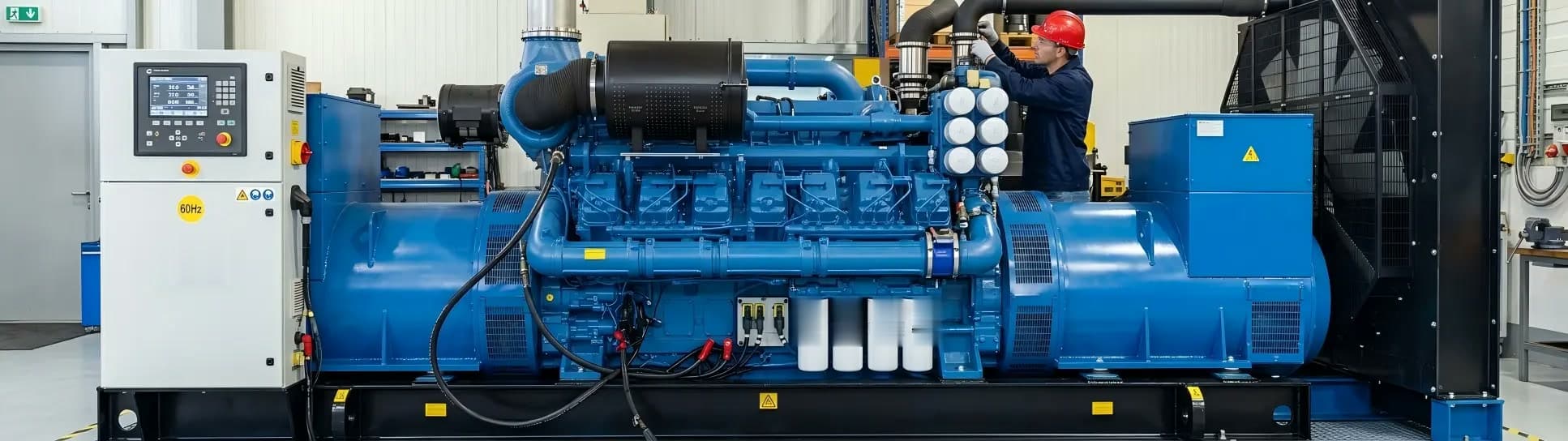
Diesel Generator Sets
The workhorse of the range: fast starting, tolerant of variable fuel, and serviceable by any mechanic with a spanner. Pick a power band, then the engine and the build.
The diesel range
Eight power bands from 20 to 2000+ kW, each built open, silent, mobile or containerised and load-bank tested before dispatch.
Why specify diesel
Diesel stays the default for prime and standby power because it is the most forgiving engine on a hostile site — dust, heat, altitude and uncertain fuel supply.
- Starts cold and loads fast, with no gas grid or spark ignition to depend on.
- Tolerates variable-quality diesel that would stall a finer engine.
- Any local workshop can service the fuel and lubrication system.
- Best fuel economy at part load, where most sets actually run.
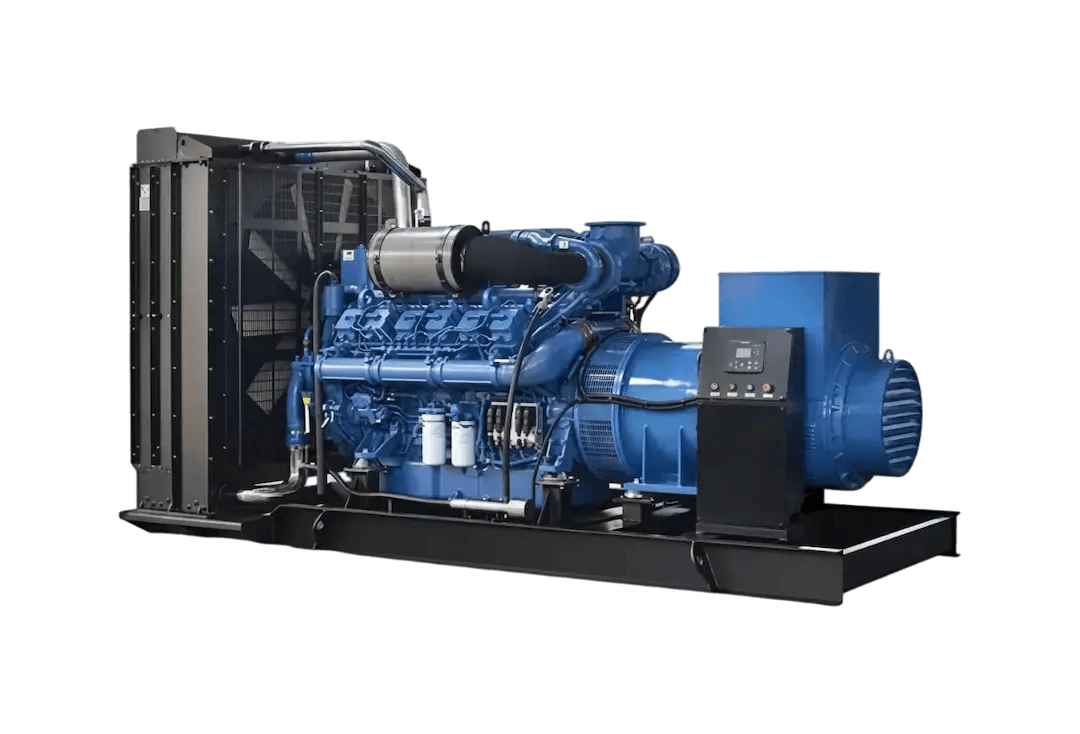
Browse by engine brand
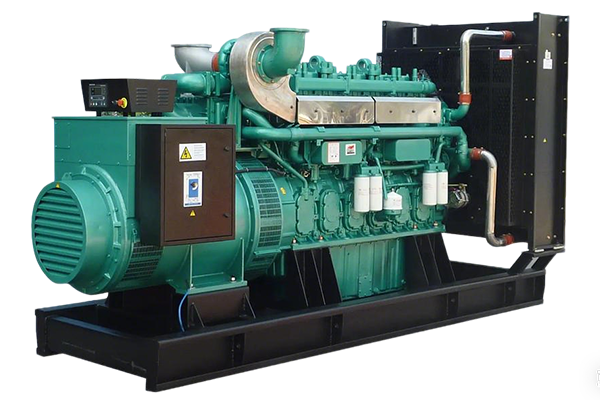
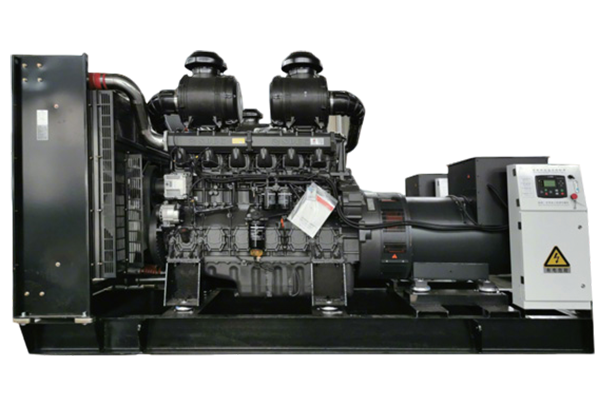
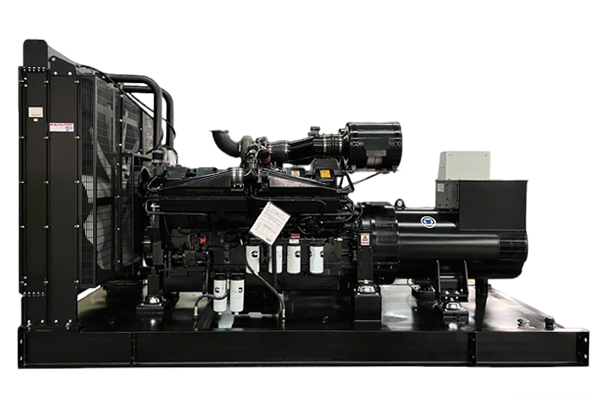
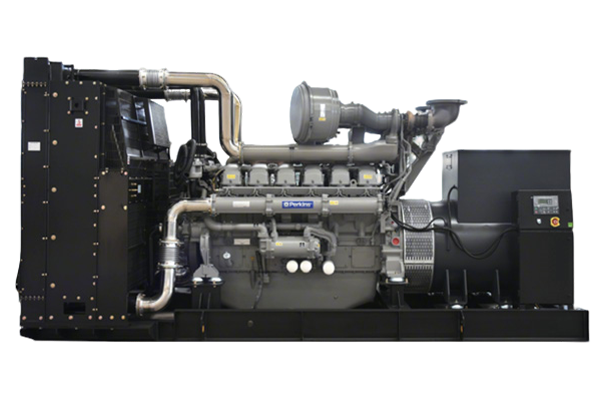
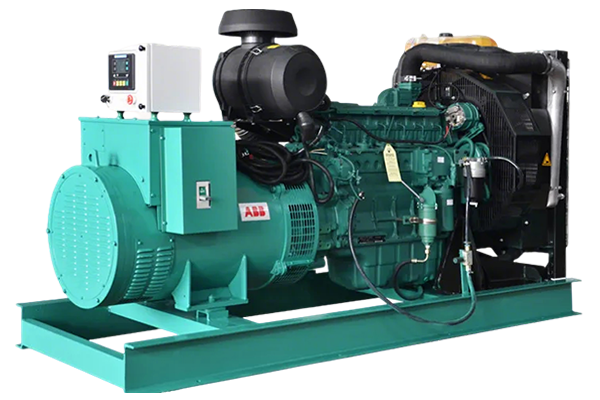
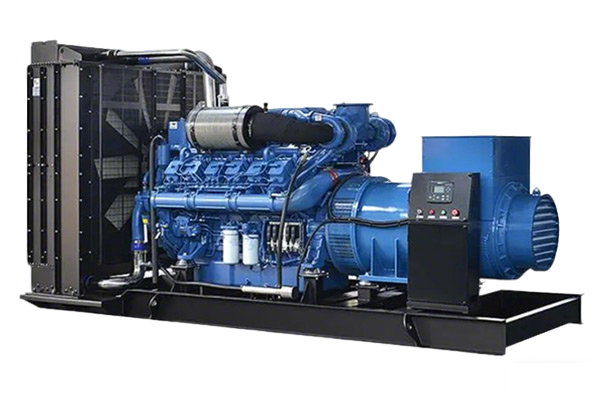
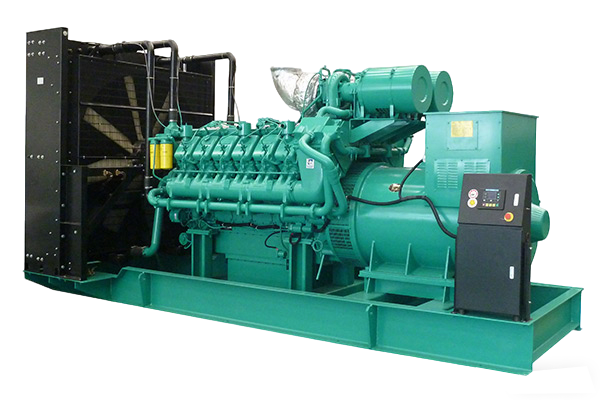
Nine engine platforms, one production line. Open a brand to see every configured model across the power range.









Diesel generator sets — common questions
When should I choose diesel over gas?
Choose diesel where there is no reliable gas supply, where fast start and remote operation matter, or where fuel quality is uncertain. Gas wins where pipeline or biogas is cheap and continuous. We build both on the same line, so the choice is about your site, not our capability.
What is the difference between prime and standby rating?
Prime rating is for continuous running with variable load; standby is for backup at full load for limited hours per year. We quote the rating that matches your duty so you are not paying for capacity you will not use — or under-rating a set that runs all day.
How do I size a diesel set?
Take your running load, add the largest motor's starting demand, then apply site derating for altitude and ambient temperature. Our derating tables show the corrected output; tell us the site and we will size it.
Are the sets load-bank tested?
Every set runs 0 / 50 / 75 / 100% load before dispatch. The test report and a video of the run ship with the machine, so you see it perform before it leaves the plant.
What documents and approvals come with the set?
Each unit ships with its datasheet, load-bank report, O&M manual and packing list. Destination certificates — SONCAP, SASO, GOST/EAC, COC/PVoC — are prepared against the serial number before the container is sealed.
Generator sizing & technical basics
- How to Size a Generator Set: A Step-by-Step Method for 20–2000 kWSize a generator from the load up: total the running kW, add the largest motor start, pick the duty rating, apply site derating, then choose the enclosure. A repeatable method for 20–2000 kW sets.
- kVA vs kW: Why a Generator Is Rated in Both and What Each MeanskVA is apparent power, kW is real power, and power factor bridges them. Understand both ratings so the set you buy actually covers the load you measured.
- ISO 8528 Generator Ratings Explained: ESP, PRP and COP in Plain TermsISO 8528 defines three generator ratings, ESP, PRP and COP. Understand what each allows so you buy the duty the site needs and pay the right price.
- Generator Derating: How Altitude and Temperature Cut Your Available PowerHot, thin air makes a generator produce less than its nameplate. Use the planning factors for altitude and ambient temperature to size the set you actually need.
- Sizing for 60 Hz sites: why derating is not optional above 40 °CAmbient temperature and altitude quietly take power away from your set. A worked example from a 45 °C site in West Africa.
Diesel Generator Sets
The workhorse of the range: fast starting, tolerant of variable fuel, and serviceable by any mechanic with a spanner. Pick a power band, then the engine and the build.