
The load-bank test report: five lines buyers should actually read
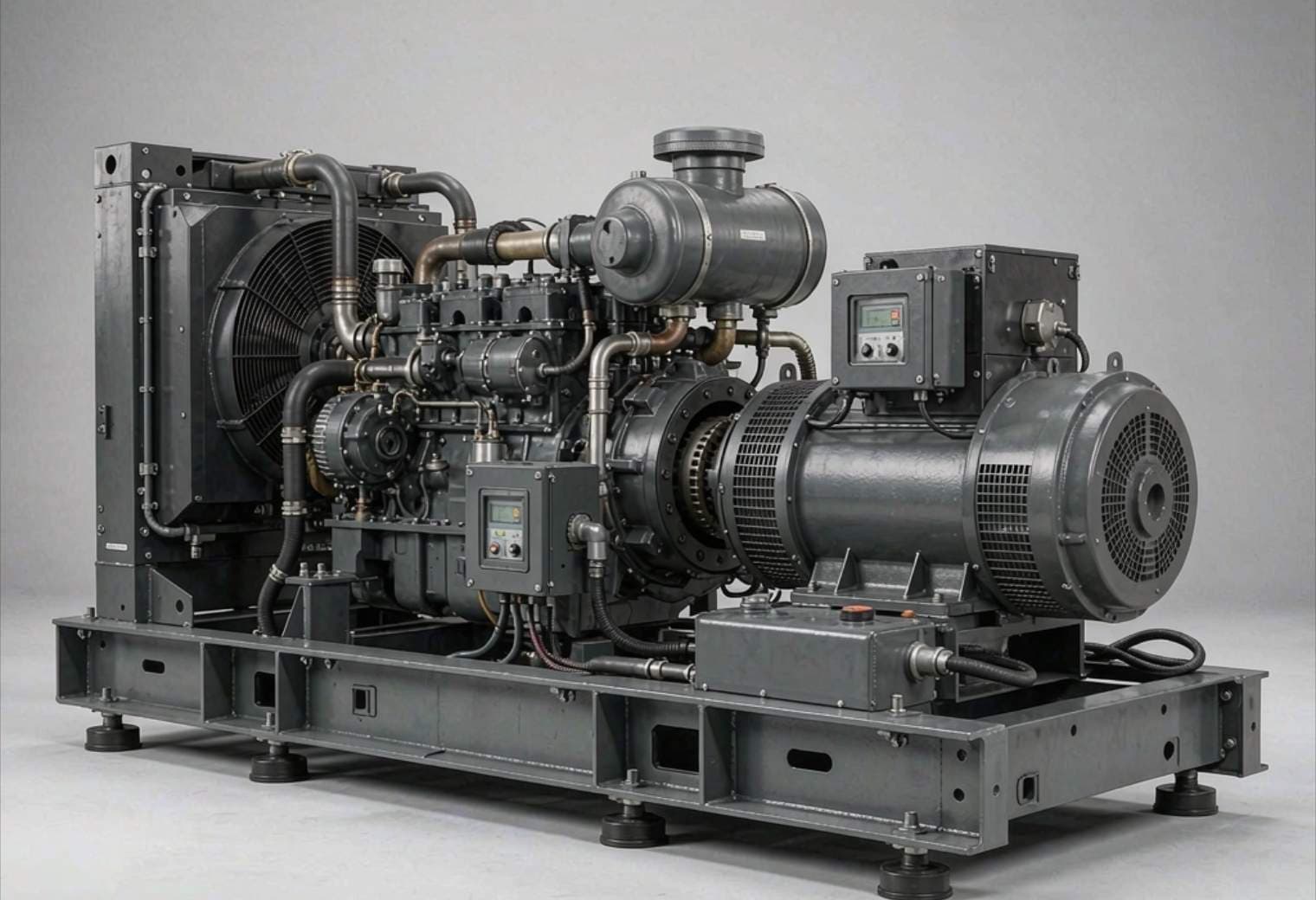
Every set we ship comes with a load-bank report. Here is how to read the five rows that tell you whether the machine you bought is the machine you were promised.
What the load-bank test actually proves
A load-bank test runs the set from zero to full rated power and back, on a controlled electrical load, while instruments log what the machine actually does. It is the single most reliable way to confirm that the generator you specified is the generator that ships, not a set that merely starts and idles on the factory floor. If you are choosing between engine brands, read the Perkins or Cummins guide first, then use the report to confirm the build.
Prime power and voltage regulation
Five lines matter most. First, prime power at 100% load: the report should show the set holding rated kVA for the full soak period, not just touching it for a minute. Second, voltage regulation: look for steady state within ±1% as the load steps, and recovery within a couple of seconds after a sudden block load.
Frequency, fuel burn and the fault log
Third, frequency stability under load steps: a well-tuned governor stays inside ±0.5 Hz. Fourth, fuel consumption at 75% load: this is the number your running-cost model should use, not the catalogue best case. Fifth, the fault and alarm log: zero logged trips during the test, with the test date and the unit serial number on the cover sheet.
What goes in the report we ship
We run every set for a minimum two-hour burn-in at rated load, witness and log the run, and ship the signed report with the machine.
If a supplier cannot show you that report with a serial number on it, you are buying on trust rather than on evidence. The factory visit and test-cell witness are the other half of the evidence.