
Silent Generator dB(A): What the Noise Figure Really Means
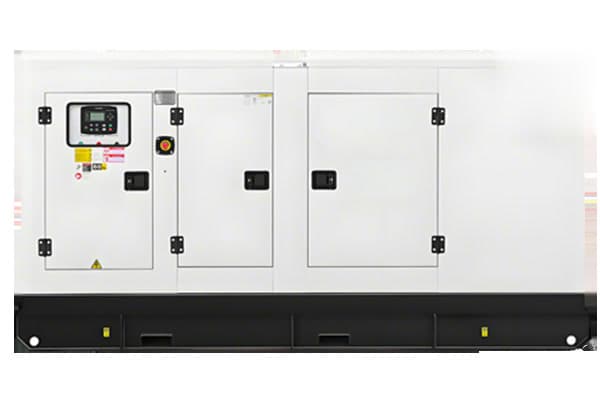
A 75 dB(A) rating means little until you know the distance and the reference. Noise falls about 6 dB(A) per doubling of distance, so the same set reads 75 dB(A) at 7 m and near 87 dB(A) at 1 m.
A silent generator dB(A) figure means little until you know the distance it was measured at and the reference standard. Noise drops about 6 dB(A) every time the distance doubles, so a set rated 75 dB(A) at 7 m reads near 87 dB(A) at 1 m. Always ask for the distance with the number, and compare like with like.
dB(A) is a ratio, not an absolute loudness
The decibel A scale is logarithmic and weighted to the human ear, so a 3 dB(A) drop is roughly half the sound energy and a 10 dB(A) drop is about half the perceived loudness. That is why a small change in the rating is a large change in how the set feels on site, and why the bare number without distance is useless.
Distance is half the story
Sound spreads and weakens with distance. The rule of thumb is about 6 dB(A) lost per doubling of distance from the source in open air. The same set therefore reads very differently one metre away versus seven metres away, and the rating on the datasheet is only meaningful with its measurement distance stated.
| Distance from set | Approx dB(A) for a 75 dB(A) at 7 m set |
|---|---|
| 1 m | About 87 dB(A) |
| 7 m | 75 dB(A) (the rated point) |
| 15 m | About 69 dB(A) |
| 30 m | About 63 dB(A) |
The 6 dB(A) per doubling rule holds in open air. Walls, enclosures and reflecting surfaces change the real reading, so treat the table as a planning estimate and measure on site for a permit.
What the canopy actually does
A silent canopy uses acoustic panel fill, intake and exhaust silencers, and a sealed enclosure to cut the radiated noise at the source. A well built canopy can bring a set from open frame loudness down to a level that sits beside a building without complaint. The build form guide explains where the canopy fits among the four forms.
Limits you may have to meet
Many towns, camps and hospital sites set a noise limit at a boundary, often measured at a fixed distance such as 7 m or 15 m. The set must meet that limit at that point, not just look quiet on paper. Specify the limit and the distance in the enquiry so the canopy is built to it.
Measuring it yourself
If you receive a set, verify the claim with a sound level meter at the stated distance and compare to the datasheet. A load-bank run helps, because noise rises with load, and the load-bank report guide explains running the set to rated load while you measure.
Frequently asked questions
Why does the distance matter so much?
Because noise falls about 6 dB(A) per doubling of distance. A 75 dB(A) at 7 m set is near 87 dB(A) at 1 m, so the number without its distance is meaningless for siting.
Is a lower dB(A) always better?
For neighbours, yes, but a lower figure usually means a bigger, heavier canopy and higher cost. Match the rating to the site limit rather than chasing the lowest number.
Can I measure the noise myself?
Yes, with a sound level meter at the stated distance while the set runs near rated load. The load-bank guide covers running it under load during the check.
Do walls change the reading?
They do. Reflecting surfaces and enclosures alter the real level, so the 6 dB(A) per doubling rule is a planning estimate, not a guarantee, and a boundary measurement is what a permit cares about.
What limit should I specify?
Use the local boundary limit and the distance at which it is measured, and put both in the enquiry. The supplier then builds the canopy to that point rather than a generic quiet number.