
Shangchai 135 Series Generator Sets: Sizing, Ratings and Spare Parts
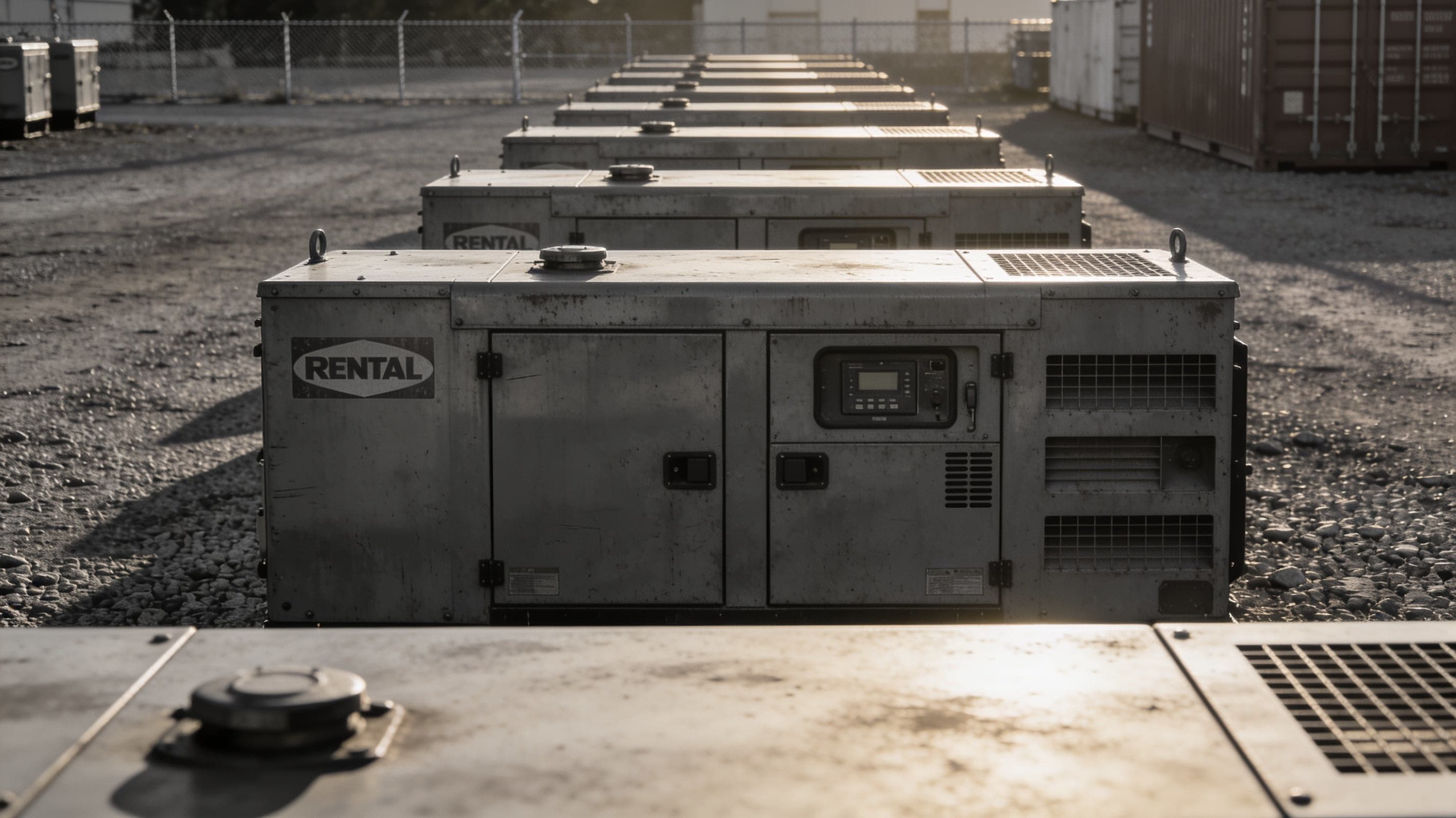
The Shangchai 135 series is a common choice for mid-power sets. How to size it correctly, read its ratings, and keep spares available without overstocking.
The Shangchai 135 series is widely used for mid-power sets, usually from about 100 kW to 600 kW, and it is a common sight in rental fleets and industrial standby. The name is not a specification: 135 identifies a series, and the variant, the duty rating and the emissions standard still have to be confirmed on the nameplate. It sits alongside the Yuchai and Weichai platforms as a Chinese mid-power option.
Sizing a 135 series set
Sizing follows the same logic as any diesel set: running load plus the largest motor's starting demand, then the site derating. The 135 series is commonly specified as prime power because that is where its rating is strongest, and using a prime-rated set for standby is usually a straightforward and safe choice. The mining sizing guide has a worked derating example for hot, high-altitude sites, and the construction, telecom and rental fleet guides work the same 135 series through its more common duties.
| Series | Configuration | Typical band | Common application |
|---|---|---|---|
| 135 series, smaller variants | Inline 6, smaller displacement | 100 - 250 kW | Rental, telecom, small industrial standby |
| 135 series, mid variants | Inline 6, mid displacement | 250 - 400 kW | Prime power fleets, mid-size industrial |
| 135 series, larger variants | Inline 6, larger displacement | 400 - 600 kW | Industrial standby, larger site power |
Ask for both ratings on the quotation: kW prime and kW standby. A set quoted only at standby is not a complete specification, and the difference matters for the warranty and the derating basis. A witnessed load-bank test settles the difference between standby and prime on the actual unit.
Reading the ratings correctly
The most common misunderstanding with this series is assuming the nameplate figure is available output. The nameplate rating is measured at standard conditions. On a site at altitude in a hot season, the usable output is lower, and the cooling package has to be specified for that site rather than for the factory.
| Rating | What it means | When you use it |
|---|---|---|
| Standby kW | Short-duration rating for outage support | The set runs only during a grid failure |
| Prime kW | Rating for continuous running alongside the grid | The set carries the load whenever the grid is up |
| Continuous kW | Rating for long unloads of running | The set is the only source of power |
Spare parts without overstocking
This is where most 135 series owners get it wrong, in both directions. Stocking every consumable for a fleet is expensive and the parts rarely get used; stocking nothing turns a minor fault into a major outage. A sensible approach is a recommended critical spares list tied to the hours the set actually runs. Ask us for the critical spares list when you request a quotation.
| Spare category | Typical items | Why |
|---|---|---|
| Filters | Oil filter, fuel filter, air filter | The cheapest insurance against engine damage; short life at high hours |
| Belts and hoses | Drive belts, coolant hoses, fuel lines | Wear items that fail predictably at high hours |
| Starting | Starter motor or solenoid, battery | A set that cannot start is a set that is out of service |
| Injection and cooling | Injectors, water pump, thermostat | Higher consequence failures; keep only if the set is critical and lead times are long |
Questions buyers ask about the 135 series
Frequently asked questions
What power range does the Shangchai 135 series cover?
Commonly from about 100 kW to 600 kW depending on the variant. The exact band for your build is set by the model and the duty, so confirm it rather than assuming.
Is a 135 series set suitable for prime power?
Yes. The series is commonly specified for prime power, and the rating is strongest in that mode. Ask for the prime rating, not only standby.
What is the difference between standby and prime rating on these sets?
Standby is a short-duration rating for outage support; prime is the rating for continuous running alongside the grid. They differ noticeably, and the quotation should state both.
How often should the oil and filters be changed?
It depends on hours and on duty, and the manual for the exact model is the authority. On prime power at high annual hours, shorter intervals are typical, and following them protects the warranty.
Are parts available outside China?
Availability depends on a distributor of the brand being near your site. Ask the supplier to name the nearest distributor and to supply the critical spares list with part numbers.
Does a 135 series set meet Stage V or Tier 4?
Variants exist at both standards. The standard has to be on the nameplate and must match what your destination requires, or the set will not clear import.