
Common Generator Faults and How to Read the Alarm Log
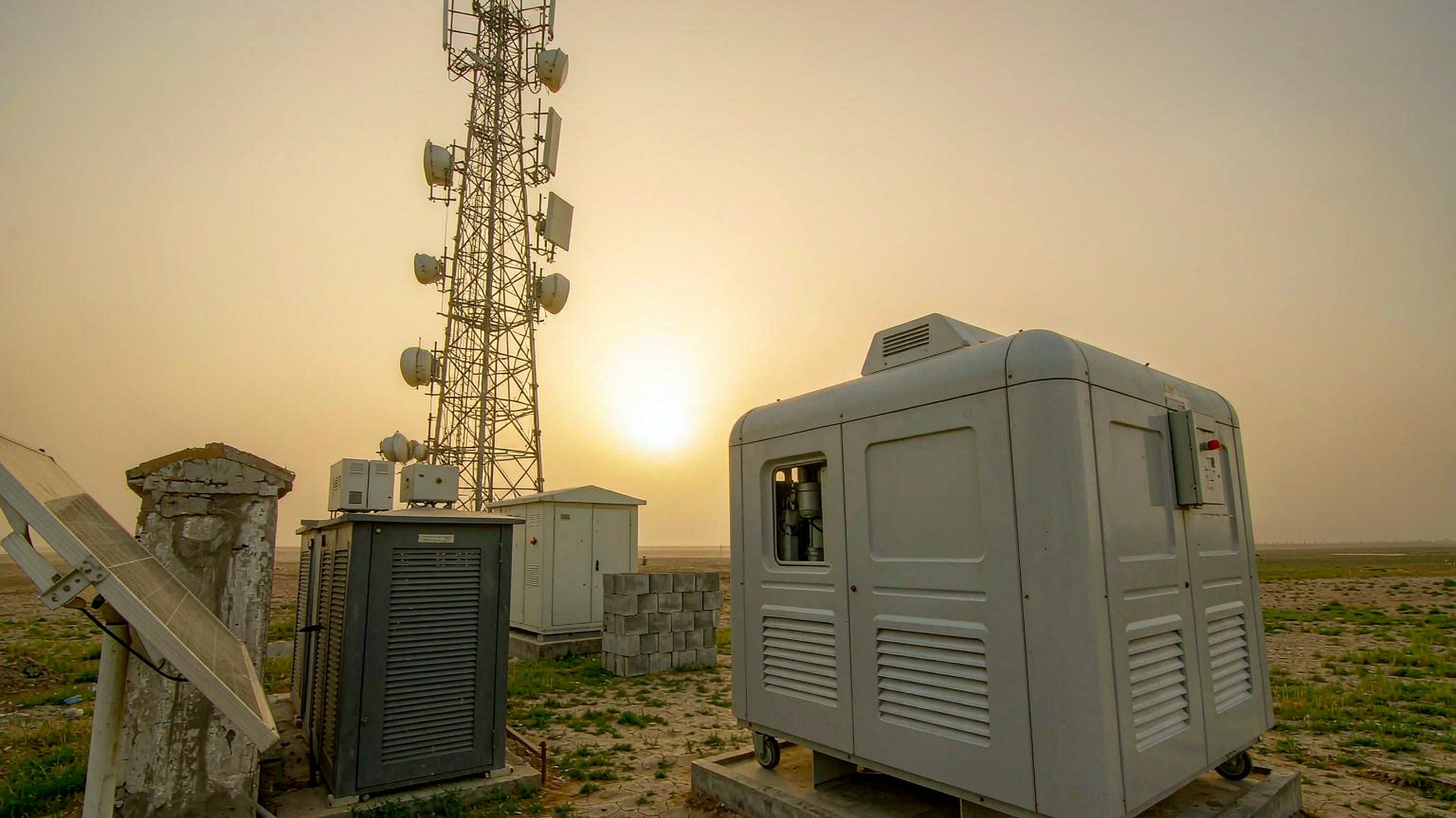
Most generator faults announce themselves first in the alarm log: overspeed, low oil pressure, overcrank, high coolant temperature, voltage faults. Learn what each means and the first thing to check.
A generator set almost never fails without warning; it logs the warning first. The alarm log names the fault, the controller timestamps it, and the fix usually starts with one obvious check. Learn the common alarms, overspeed, low oil pressure, overcrank, high coolant temperature and voltage faults, and the set stops being mysterious. The controller and AVR settings are where most of these are caught, and the maintenance schedule is what keeps them from happening. Builds for each duty are on the diesel generator sets page.
Read the log before you touch anything
The controller stores faults with a code and a time. Read them in order before resetting, because the first fault often causes the others, and clearing them blind hides the cause. A set that tripped on low oil pressure and was simply reset will trip again, and you will have lost the clue. Keep the log with the service records so patterns show up.
The faults you will meet most often
| Alarm | Likely cause | First check |
|---|---|---|
| Overspeed | Governor fault, loss of load | Governor setting, speed sensor, load connection |
| Low oil pressure | Low oil, pump, sender | Oil level, sender, then pump and relief valve |
| Overcrank or fail to start | Weak battery, fuel, air | Battery, fuel solenoid, air in lines, glow if cold |
| High coolant temperature | Low coolant, radiator, load | Coolant level, fan, blockage, derating margin |
| Under or over voltage | AVR or excitation fault | AVR, excitation, load imbalance |
| Battery fail | Charger, connection, age | Charger output, terminals, battery test |
Starting faults come first
Most field failures are start failures: a flat battery, a closed fuel solenoid, air in the line or, in cold weather, no glow. These are the items the daily check exists to catch, which is why the storage plan and the maintenance plan both obsess over the battery and fuel. A set that will not start after stand-down almost always points back to one of those two.
Overheating is a cooling and load problem
High coolant temperature is rarely the thermostat alone. It is low coolant, a blocked radiator, a failed fan, or simply a set asked to run past its derated limit in heat. The same site temperature that drives the derating calculation in sizing also sets the cooling margin in service, so an overheated set is often an undersized or under-derated set. When the set is critical, the hospital backup and telecom guides show why the margin matters.
Voltage and AVR faults
Under or over voltage points at the AVR or excitation. Before swapping the AVR, check the obvious: load imbalance, a loose connection, or a setting knocked out of tolerance during a careless keypad change. The commissioning checklist is the reference for what the values should be, and the kVA vs kW note explains why imbalance shows up as a voltage fault.
When the alarm is not the problem
- Nuisance trips from a mis-set threshold waste calls; confirm the setting against the manual.
- Latched faults from a past event confuse the next operator; clear them only after the cause is found.
- Sensor faults, a bad sender reading low oil, mimic real faults; verify with a manual gauge.
A witnessed load-bank test is the fastest way to prove a fault is gone rather than hidden. Run the set to its rated load and watch the log stay clean; a set that passes on no load but trips under load has not been fixed. The spare parts plan covers the items these faults consume.
Questions buyers ask about faults and alarms
Frequently asked questions
Why does my set alarm but then run fine?
Often a nuisance trip from a mis-set threshold, a bad sensor reading, or a fault that only appears under load. Read the log in order, verify the sensor, and load-test before trusting it.
What is the most common generator fault?
Failure to start, almost always from a flat or disconnected battery or a fuel issue. It is the reason daily battery and fuel checks exist.
Should I reset the alarm and try again?
Read the log first. Resetting without understanding the cause usually repeats the trip and loses the clue about what failed first.
My set overheats only in summer. Why?
Because the derating margin shrinks in heat. The set may be correctly rated for standard conditions but short of margin at your hot-season ambient, which is exactly what the site-temperature derating step accounts for.
Can a fault be a sensor, not the engine?
Yes, and commonly is. A failed oil-pressure or coolant sender reads a fault that is not there. Confirm with a manual gauge before replacing engine parts.
How do I stop faults recurring?
Keep the maintenance schedule, preserve the set in storage, commission the controller correctly, and load-test after any repair. The spare parts plan then covers the items that wear, and the maintenance log proves the work.